Firewood Guide 2026
Buying firewood is a boring decision until the first cold week of October. Then it becomes a heating bill, a chimney-sweep conversation, and sometimes an insurance question. This guide pulls together what actually matters in 2026: which species burns cleanest, why 18 percent moisture is the line to draw, and how kiln-dried hardwood now stacks up against the old advice of seasoning your own cords for two summers.
- Hardwood density drives heat output. Birch, oak, ash, and beech land between 1950 and 2100 kWh per solid cubic metre when properly dried.
- Moisture under 18 percent is the real quality cut-off. Above 20 percent you burn about a third of your fuel just drying the wood in-fire.
- Kiln-dried wood takes days to reach usable moisture; air-seasoned wood takes two to three summers in a ventilated shed.
- Bulk pallet buying is almost always cheaper per kWh than small sacks, but storage capacity decides which makes sense.
Species and heat output
Not all firewood burns the same. A solid cubic metre of kiln-dried birch releases roughly 2050 kWh. Oak is marginally higher at 2100 kWh but needs longer drying. Ash is the quiet winner for domestic stoves: it tolerates slightly higher moisture without smoking, and a stacked cubic metre yields around 2060 kWh. Softwood species such as spruce and pine sit closer to 1450 kWh per cubic metre. The trade-off is density versus ignition speed, and for most wood stoves the mixed hardwood pallet is the practical answer.
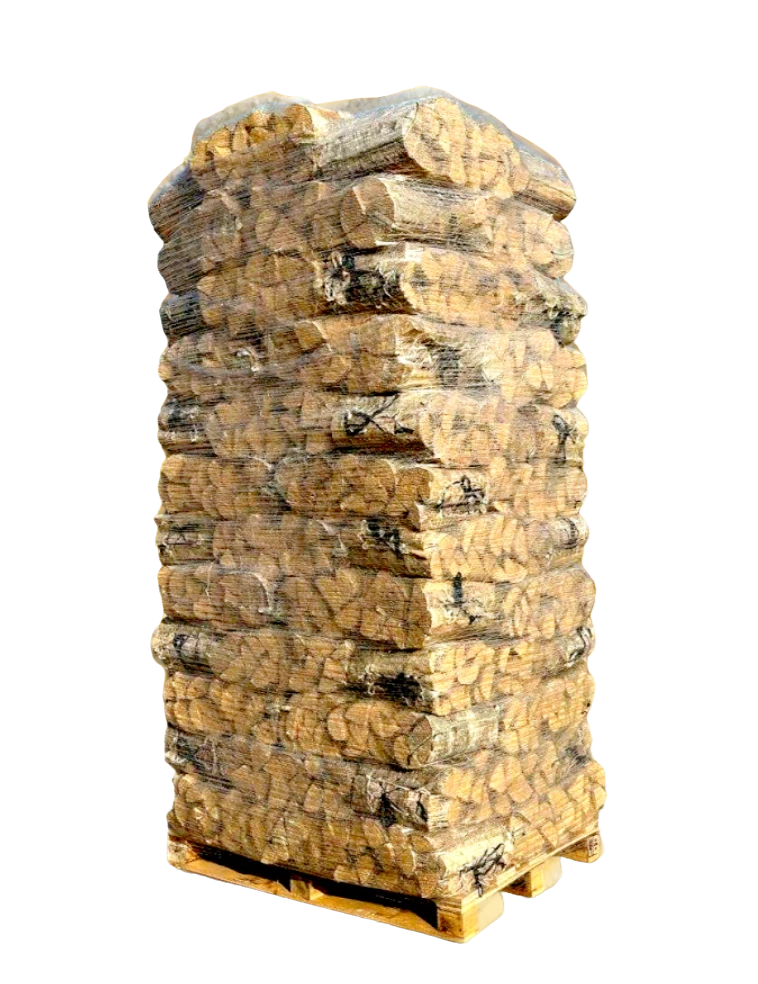
IMAGE 1
tags: birch · stacked-firewood · outdoor · seasoned
Pool resolved per shop from the matching Visual Library images. See the Image pool below to manage which candidates are allowed.
Hardwood also burns longer. Two logs of birch can hold a room at 20 degrees for over an hour in a modern stove; the same mass of pine burns through in 30 to 40 minutes. For a typical 140 square metre Scandinavian house using a supplementary wood stove, that difference adds up to about 15 pallets a winter versus 22. See the full firewood guide for species-by-species density tables and regional availability.
Moisture: the real quality signal
The headline number on any firewood invoice should be moisture. Below 18 percent, a 25 cm log ignites in under 60 seconds and burns cleanly. Between 18 and 22 percent, ignition time doubles and the stove glass starts blackening within a week. Above 25 percent, you are paying for water: the flame loses about a third of its usable heat to evaporating moisture, and the chimney accumulates creosote at a rate that requires professional sweeping every two months instead of once a year.
QUOTE 1 · Local persona · insight: moisture_18_cutoff
Claim: Firewood above 20 percent moisture loses roughly a third of its usable heat output because the fire spends energy evaporating the water.
moisture tone: “Below 18 percent moisture we consistently measure about a third more usable kWh because the flame stops spending energy boiling out water.”
practical tone: “The single number I check on every pallet is moisture. Under 18 percent and the stove glass stays clean all winter.”
selling tone: “Save up to 40% on your firewood bill by insisting on moisture under 18 percent. Every percent of water you skip is a percent of kWh you actually pay for.”
Tones rotated per shop (no repeat): heat · moisture · efficiency · practical · technical · selling. Final quote generated at localize time by a persona matching the scope.
A cheap moisture meter costs about 30 euros and pays for itself after one pallet. Push the pins into the exposed centre of a freshly split log, not the bark side. Readings of 17 to 19 percent are the sweet spot for closed stoves; open fireplaces tolerate up to 22 percent but smell more.
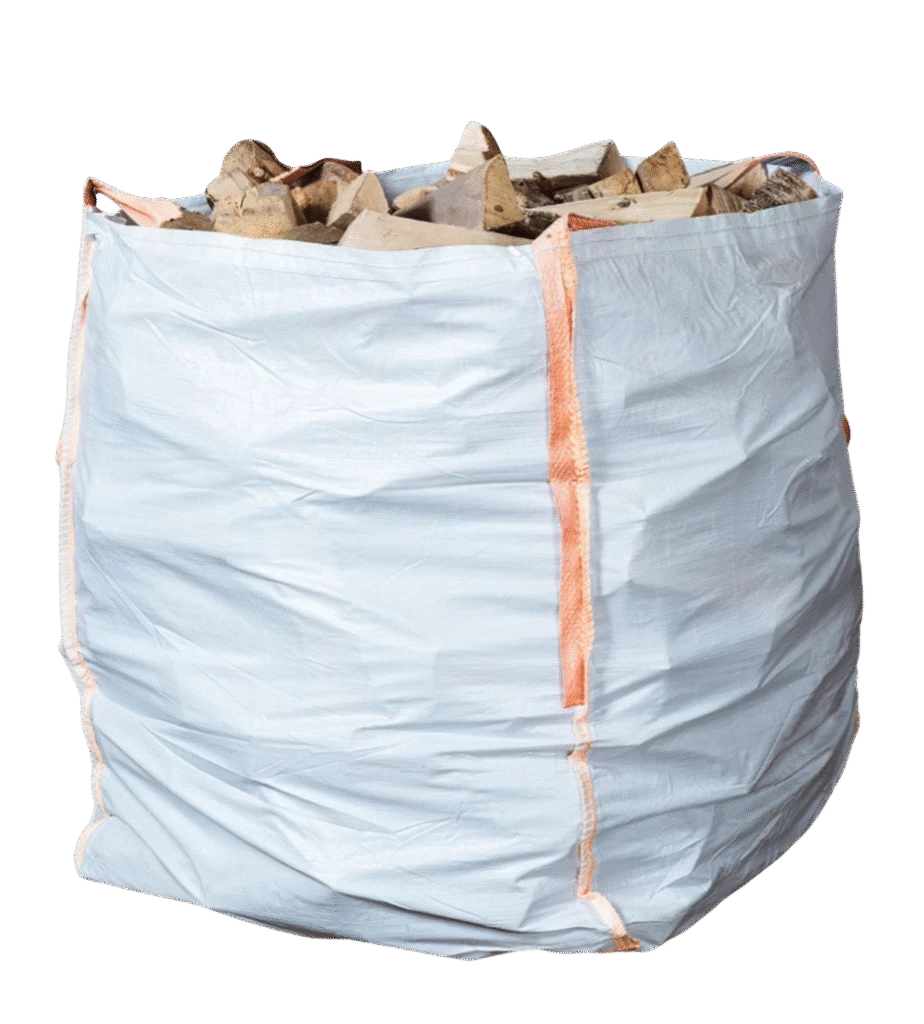
IMAGE 2
tags: moisture-meter · firewood-log · measurement · split-wood
Pool resolved per shop from the matching Visual Library images. See the Image pool below to manage which candidates are allowed.
Kiln-dried vs seasoned: which for your winter
Kiln-dried firewood is kilned at 70 to 90 degrees for two to four days, driving moisture to 10 to 14 percent. The result is predictable kWh per cubic metre and almost instant ignition. The cost premium in 2026 sits around 15 to 20 percent above correctly seasoned wood. For homeowners without space for a ventilated woodshed, the math tilts kiln-dried because storage losses disappear.
Seasoned firewood is air-dried in a covered, ventilated stack. Birch splits down to roughly 18 percent after one full summer and a windy autumn; oak typically needs two summers. The trick is stacking with a raised base (pallets or timber laths), a roof that overhangs the stack by at least 10 cm, and two open sides for cross-ventilation.
QUOTE 2 · Real person · insight: kiln_dried_vs_seasoned
Claim: Kiln-dried firewood reaches 10 to 14 percent moisture in days; correctly air-seasoned wood can take two or three summers to land under 18 percent.
technical tone: “Kiln-dried at 70 to 90 degrees hits 12 percent in three days. Air-dried birch needs one full summer. Oak needs two.”
efficiency tone: “Customers without a woodshed get kiln-dried every time. The 15 percent price premium disappears once you factor in storage losses.”
selling tone: “Save up to 40% on your firewood cost when you use kiln dried firewood that burns long and warm. No two-summer wait, no rot losses, no guesswork.”
Tones rotated per shop (no repeat): heat · moisture · efficiency · practical · technical · selling. Final quote generated at localize time by a persona matching the scope.
Mixed-use buyers often combine: kiln-dried birch for mid-winter when ignition has to be quick, seasoned mixed hardwood for the autumn shoulder season. Bulkster’s kiln-dried vs seasoned breakdown covers the pallet-size math for both.
Energy density by species (2026 benchmark)
| Species | kWh / solid m³ (18% moisture) | Typical drying | Best use |
|---|---|---|---|
| Birch (Betula pubescens) | 2050 | 1 summer or kiln | All-round, clean burn |
| Oak (Quercus robur) | 2100 | 2 summers or kiln | Overnight burns, high-output stoves |
| Ash (Fraxinus excelsior) | 2060 | 1 summer or kiln | Tolerant of higher moisture, steady heat |
| Beech (Fagus sylvatica) | 2090 | 2 summers or kiln | Restaurants, pizza ovens, open fires |
| Mixed softwood | 1450 | 6 months or kiln | Shoulder season, kindling, outdoor fires |
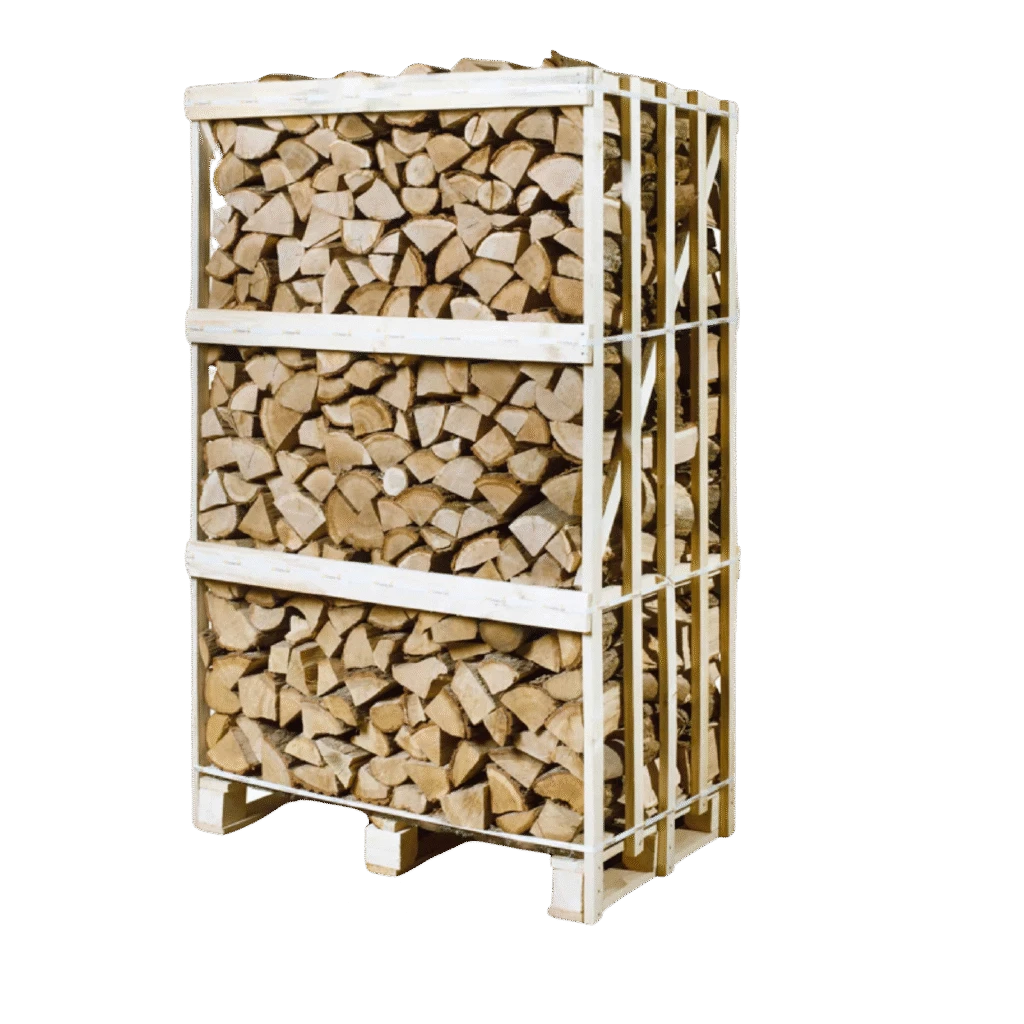
IMAGE 3
tags: woodshed · stacked-cords · ventilated-storage · winter
Pool resolved per shop from the matching Visual Library images. See the Image pool below to manage which candidates are allowed.
Storage strategies that protect kWh
Moisture protection does not stop at delivery. A correctly stacked cubic metre stored under a proper roof loses less than 1 percent moisture a year; the same wood stacked under a tarp on bare ground can gain 4 to 6 percent by February.
- Lift the base at least 10 cm off the ground using pallets or treated timber.
- Leave both short ends of the stack open for cross-ventilation.
- Cover only the top third of the stack; never wrap the sides in impermeable plastic.
Certification and regulation
By 2026, three standards matter for firewood sold to homeowners across the Nordics and Central Europe. EN 303-5 covers the stove-and-boiler side, defining emissions classes. SS 187120 is the Swedish firewood quality standard. DIN 51731 covers wood pellets. For Austria, ÖNORM M 7133 adds an audited chain-of-custody.
QUOTE 3 · Other-country persona · insight: certification_value
Claim: Certified labels such as EN 303-5 and SS 187120 matter because they translate kiln-dried claims into audited energy figures a homeowner can price against.
technical tone: “EN 303-5 and SS 187120 convert kiln-dried claims into kWh figures you can actually compare across sellers. Without them, the 5 percent price gap hides a 15 percent moisture variance.”
practical tone: “A certified pallet and an uncertified pallet look identical. The difference is you can price-check the certified one against a real energy number.”
selling tone: “Save 10 to 15 percent by buying certified pallets only. Uncertified sellers hide moisture variance, and that variance is what empties your wallet by February.”
Tones rotated per shop (no repeat): heat · moisture · efficiency · practical · technical · selling. Final quote generated at localize time by a persona matching the scope.
The practical effect on buying: a certified SS 187120 pallet gives you a measured kWh figure you can compare across sellers. An uncertified ”kiln-dried” claim does not. If you are price-shopping between three suppliers, the 5 percent price gap between certified and uncertified tends to be smaller than the 15 percent variance in real moisture content behind uncertified kiln-dried claims.
Frequently asked questions
How much firewood does a Nordic household need per winter?
A 130 to 150 square metre house using wood as supplementary heat typically burns 4 to 6 cubic metres per winter. A house using wood as primary heat burns 12 to 18 cubic metres.
Is kiln-dried firewood worth the extra cost?
In urban settings without a woodshed: almost always yes. If you have dry, ventilated storage and can plan two summers ahead: seasoned is more economical per kWh.
What moisture level should I aim for?
Below 18 percent for closed stoves, below 22 percent for open fireplaces.
When is the cheapest time to order firewood?
June to August. Pallet prices in 2026 are typically 8 to 12 percent lower than the October to December peak.
Browse Bulkster’s certified firewood pallets or read the deeper firewood guide pillar for species-by-species breakdowns.